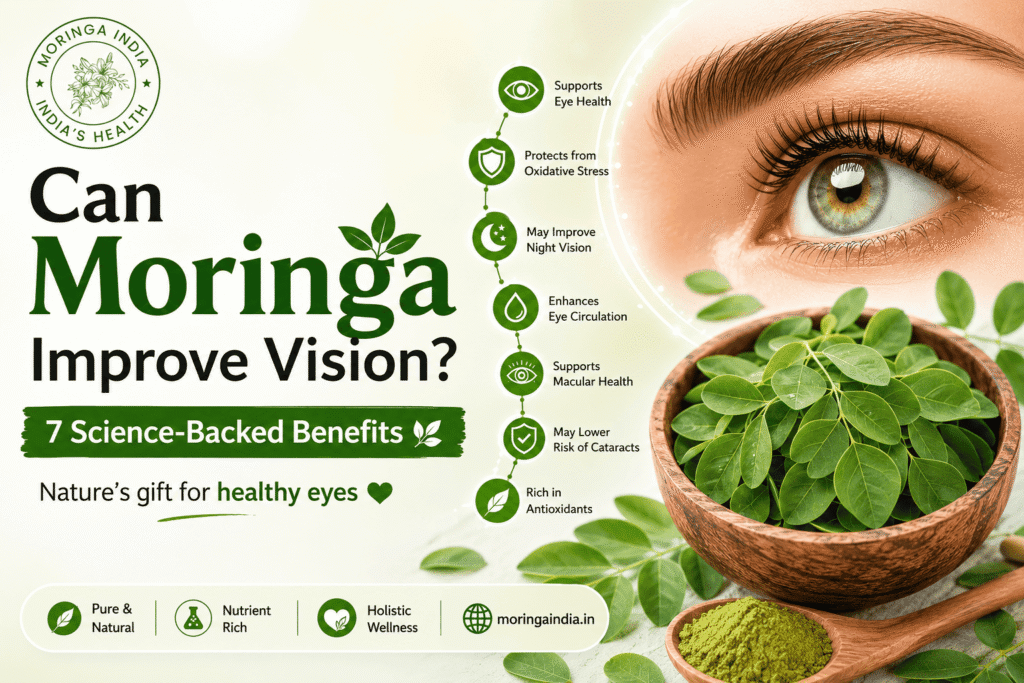
Can Moringa Improve Vision? 7 Science-Backed Benefits
Eyes require a continuous supply of certain nutrients to work well and remain resilient against age-related harm. Moringa (Moringa oleifera), commonly referred to as drumstick or “malunggay,” is a leafy green renowned for its high nutrient density. But does it really benefit your eyes? This article examines what the science has to say what moringa nutrients are important for eye health, how they function, the evidence so far, useful methods of incorporating moringa, and safety issues.
Table of Contents
ToggleWhy do individuals turn to foods for improved eye health
Moringa Improve Vision? 7 Science-Backed Benefits Diseases of the eyes that include age-related macular degeneration (AMD), cataracts, and oxidative injury to retinal cells have been associated with ageing and oxidative stress. Diet that provides antioxidants and carotenoids (plant pigments) — particularly lutein, zeaxanthin, and beta-carotene (a precursor to vitamin A) — is extensively established as beneficial to eye architecture and function. Clinical trials (such as AREDS/AREDS2) demonstrate that certain combinations of nutrients can retard progression of intermediate AMD; in the meantime, a carotenoid- and antioxidant-rich diet is commonly promoted to promote long-term eye health.




What's in moringa that concerns the eyes?
Moringa leaves are remarkably nutrient-rich. Central eye-supporting ingredients of moringa include:
Beta-carotene / Vitamin A precursors. Beta-carotene is converted into vitamin A, which is needed for night vision and retinal health. Moringa is rich in beta-carotene
Lutein and zeaxanthin. These carotenoids are found in high concentrations in the macula (the central retina) and serve as blue-light filters and antioxidants; moringa leaves are rich in lutein and quantifiable zeaxanthin in comparison to many other leafy greens.
Vitamin C, vitamin E and polyphenols. They shield eye tissues against oxidative damage that leads to cataracts and retinal injury. Moringa exhibits a robust antioxidant picture in laboratory and review research.
Since moringa has several synergistic nutrients for the eye, it’s an interesting food to add to an eye-friendly diet.

How these nutrients protect vision the mechanisms
Filtering harmful light: High-energy blue light is absorbed by lutein and zeaxanthin, which build up in the macula and lessen photo-oxidative stress on photoreceptor cells. Over time, that filtering action aids in maintaining central vision.
Verywell Medical
Antioxidant protection: Carotenoids, polyphenols, and vitamins C and E counteract free radicals and lessen oxidative damage in the tissues of the lens and retina, which is a major cause of cataract development and retinal degeneration.
Support for retinal biochemistry: The visual cycle, which is the set of biochemical reactions in photoreceptor cells that enable us to detect light, depends on vitamin A (from beta-carotene). Sufficient vitamin A keeps corneal surfaces healthy and prevents night blindness.
What does the research actually show?
When it comes to linking nutrients to eye health, most of the solid evidence comes from studies on dietary patterns, large-scale trials of supplements for age-related macular degeneration (AMD) like AREDS and AREDS2, and biochemical analyses of various foods. There are not many studies that directly test moringa for eyes, but the few that do show some promising nature and positive results.
Nutrient show that moringa leaves have a lots of lutein, beta-carotene, and other carotenoids. These leafs are many comparable to those of many common leaf greens. Several studies have reported high concentrations of lutein in fresh moringa leaves. Reviews and laboratory studies highlight the strong antioxidant and cytoprotective properties of moringa extracts, lending biological credibility to its potential for eye protection. Research done in labs on animals shows that moringa powder can reduce oxidative stress and body tissue.
There are some small human studies have checked that how moringa affect things related to eyes. But these studies are not proven. However, the results are still preliminary and not conclusive. For instance, a small study from 2023 examined the effects of moringa leaves on intraocular pressure, but we still need more robust randomized controlled trials in humans before making any strong clinical claims.
In summary: while the nutrient profile and lab evidence for moringa are compelling, human clinical evidence specifically testing its effects on vision is limited. Nevertheless, since moringa provides the same carotenoids and antioxidants that broader nutrition research has shown to support eye health, incorporating moringa into a balanced, nutrient-rich diet seems like a sensible choice. transalate this in easy language

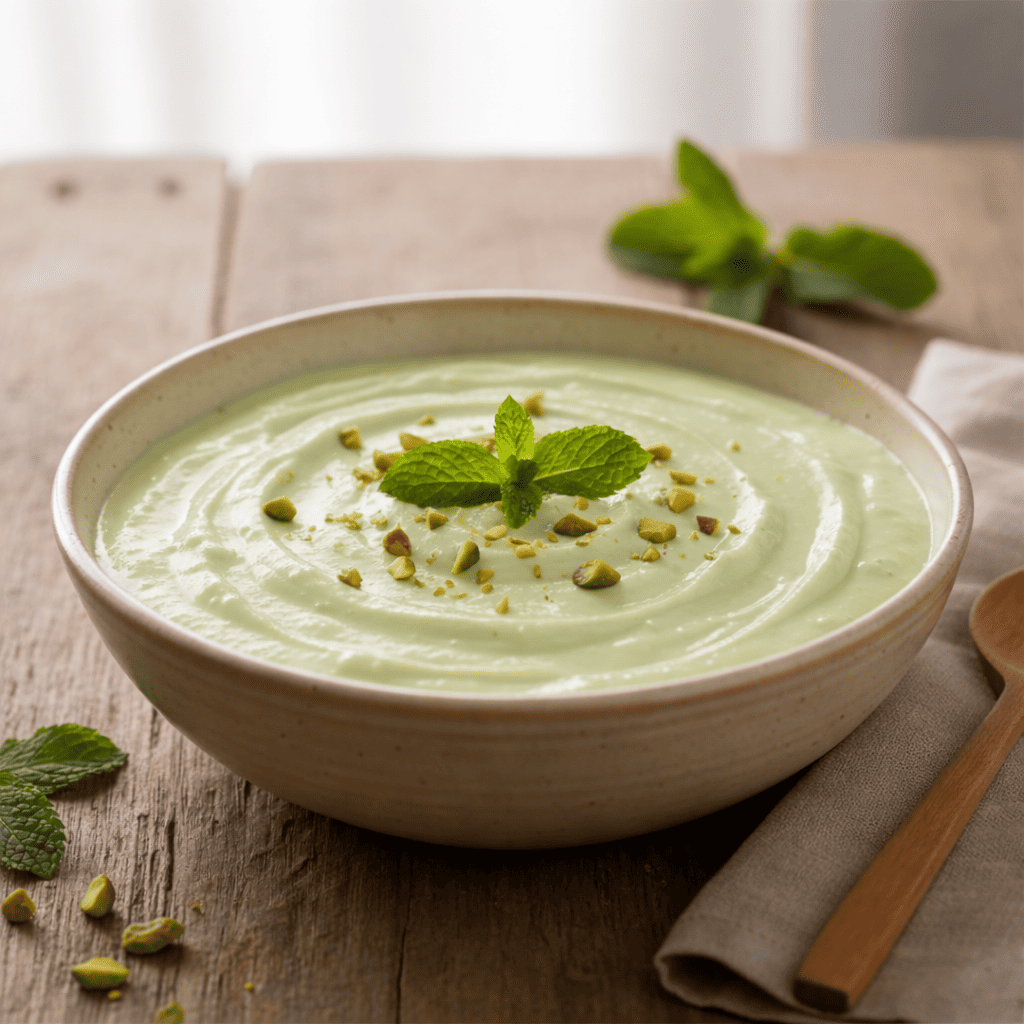
How To Include Moringa For Eye Health ?
Fresh or cooked leaves: Traditional diets often use fresh moringa leaves in soups, curries, and stir-fries. Some carotenoids remain intact after cooking, although the method you choose matters (for example, light steaming is gentler). Dried moringa leaf powder is a convenient option—just mix it into smoothies, yogurt, or soups. The powder concentrates the nutrients, so be mindful of your serving size!
Its not my first time to go to see this web site, i am
visiting this site dailly and get good information from here everyday.
Thank you for your kind words and support! 😊
We’re happy to hear that you enjoy visiting our website and find our information helpful.
Stay connected with us for more health tips and moringa benefits every day!